Celeb Deepfake Scams Are Reshaping Public Trust on Social Media:
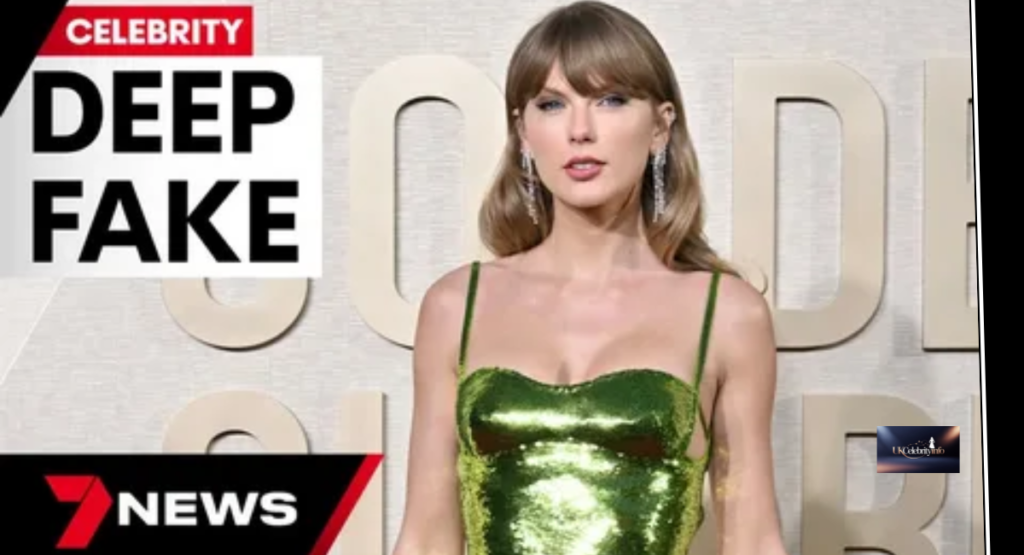
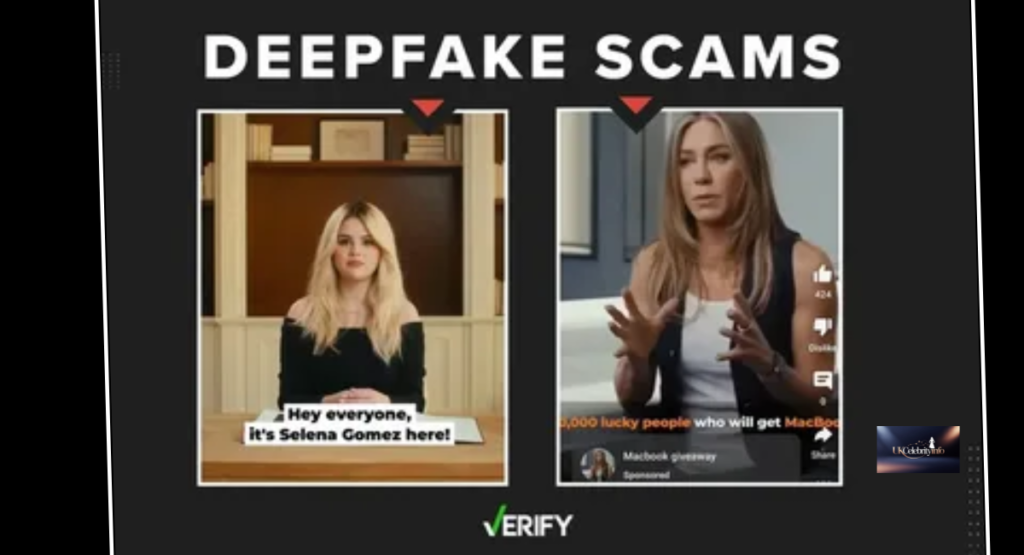
Celeb deepfake scams are rewriting the rules of belief online. From fake investment endorsements to fabricated charity appeals, AI-generated celebrity videos now circulate daily. When familiar faces deliver false promises, users react emotionally instead of critically. This shift is dismantling long-held trust in social media authenticity.
Why Celebrities Are Prime Targets for Celeb Deepfake Scams:
Celebrities carry instant credibility. Their voices and faces signal success, authority, and legitimacy. Celeb deepfake scams exploit that symbolic power. Fans rarely question endorsements from admired figures. Scammers understand this cognitive shortcut. They don’t need persuasion. They only need recognition.
Fame accelerates belief. That’s the advantage criminals exploit relentlessly.
How AI Technology Enables Celeb Deepfake Scams:
Generative AI tools now replicate voices, facial movements, and emotional expressions with disturbing precision. What once required studios now takes minutes. Celeb deepfake scams flourish because barriers collapsed. Free or cheap software delivers broadcast-quality deception.
The Technical Pipeline Explained:
- Audio scraped from interviews
- Facial data trained from public videos
- Script layered with emotional hooks
- Output optimized for mobile viewing
Each step increases realism. Each reduces skepticism.
The Viral Mechanics Behind Celeb Deepfake Scams:
Social media rewards engagement, not truth. Algorithms boost content that triggers shock, hope, or urgency. Celeb deepfake scams exploit this bias perfectly. Fake celebrity videos promise fast profits or urgent opportunities. Users share before verifying. Virality outpaces moderation.
Once live, damage compounds quickly.
Psychological Triggers That Fool Audiences:
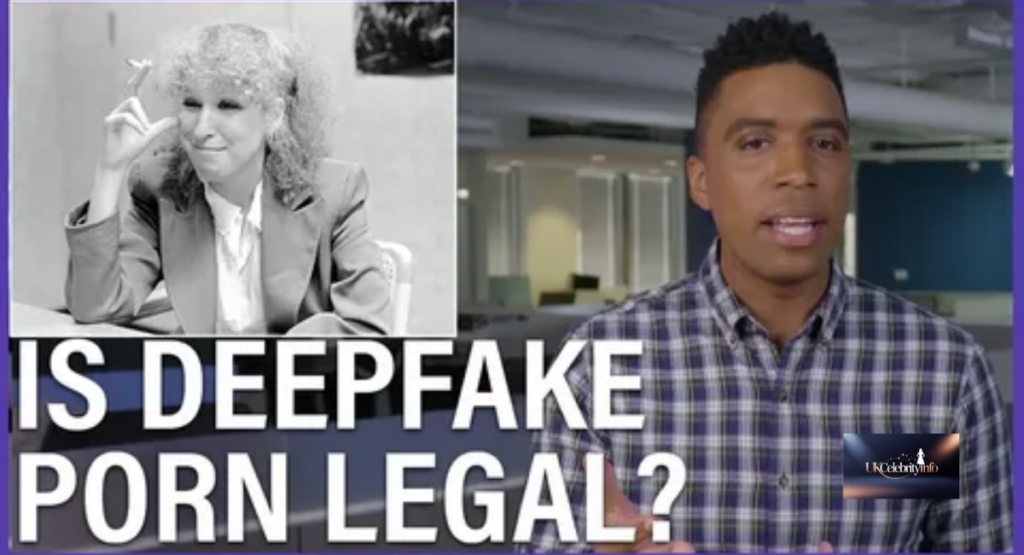
Celeb deepfake scams succeed because they exploit human psychology. Familiarity breeds trust. Authority silences doubt. Urgency kills reflection. Together, they create a cognitive blind spot.
Repeated exposure worsens the effect. Even skeptical users start doubting real content. Over time, trust fragments. People believe selectively or not at all. This erosion damages not just victims but the entire information ecosystem.
Financial and Social Damage Caused by Celeb Deepfake Scams:
Financial losses are obvious. Victims lose savings, investments, and personal data. The hidden cost runs deeper. Public confidence in online advertising declines. Legitimate creators suffer. Celebrities face reputational harm.
Communities become suspicious. Platforms feel unsafe. Credibility collapses quietly but thoroughly.
How Social Media Platforms Are Responding:
Platforms claim to fight celebs deepfake scams using detection tools and policy enforcement. Progress exists but gaps remain. Moderation often reacts after virality peaks. Ad systems still leak fraudulent content.
Some platforms test content provenance labels. Others expand impersonation policies. However, enforcement inconsistency keeps public trust fragile.
What Celebrities and Users Must Do Now:
Celebrities should maintain verified channels and issue rapid disclaimers. Silence enables scams. Fans need confirmation points.
Users must slow down. Verify endorsements. Cross-check official profiles. Report suspicious content immediately.
Collective vigilance reduces scam reach dramatically.
The Future of Trust in an AI-Driven Internet:
Celeb deepfake scams represent a turning point. Visual proof alone no longer guarantees truth. Trust will migrate toward verification systems, transparency badges, and digital literacy.
Platforms that adapt may regain credibility. Those that delay risk irrelevance. The social web’s future depends on restoring confidence without sacrificing creativity.
FAQs:
How can you tell a celebrity scammer?
They create urgency, promise unrealistic rewards, and use unverified accounts or external payment links instead of official celebrity channels.
What are 5 of the most current scams?
AI celebrity crypto ads, fake giveaways, romance scams with voice cloning, phony charity appeals, and impersonated investment offers.
What are deepfake scams?
Deepfake scams use AI-generated videos or voices to impersonate real people and trick users into sending money or personal data.
Can ChatGPT detect deepfakes?
ChatGPT can highlight text-based red flags but cannot technically verify videos or audio for deepfake authenticity.
Is it illegal to make an AI video of someone?
It becomes illegal when used without consent for fraud, impersonation, defamation, or harmful deception, depending on local laws.
Can AI detect if someone is lying?
AI can identify suspicious patterns but cannot reliably determine whether a person is lying.

Welcome to UK Celebrity Info! I’m M.Talha an SEO Optimized Writer & Content Writer with 3 Years of experience. I help Websites to Rank Higher, Grow Traffic, and Looking Amazing. My Goal is to make SEO & Web Design simple and effective for everyone. Let’s Achieve more Together!

Pingback: UK Reality TV Stars Loyal Fanbases: 7 Amazing Stars Fans Adore in 2025 - UkCelebrityInfo